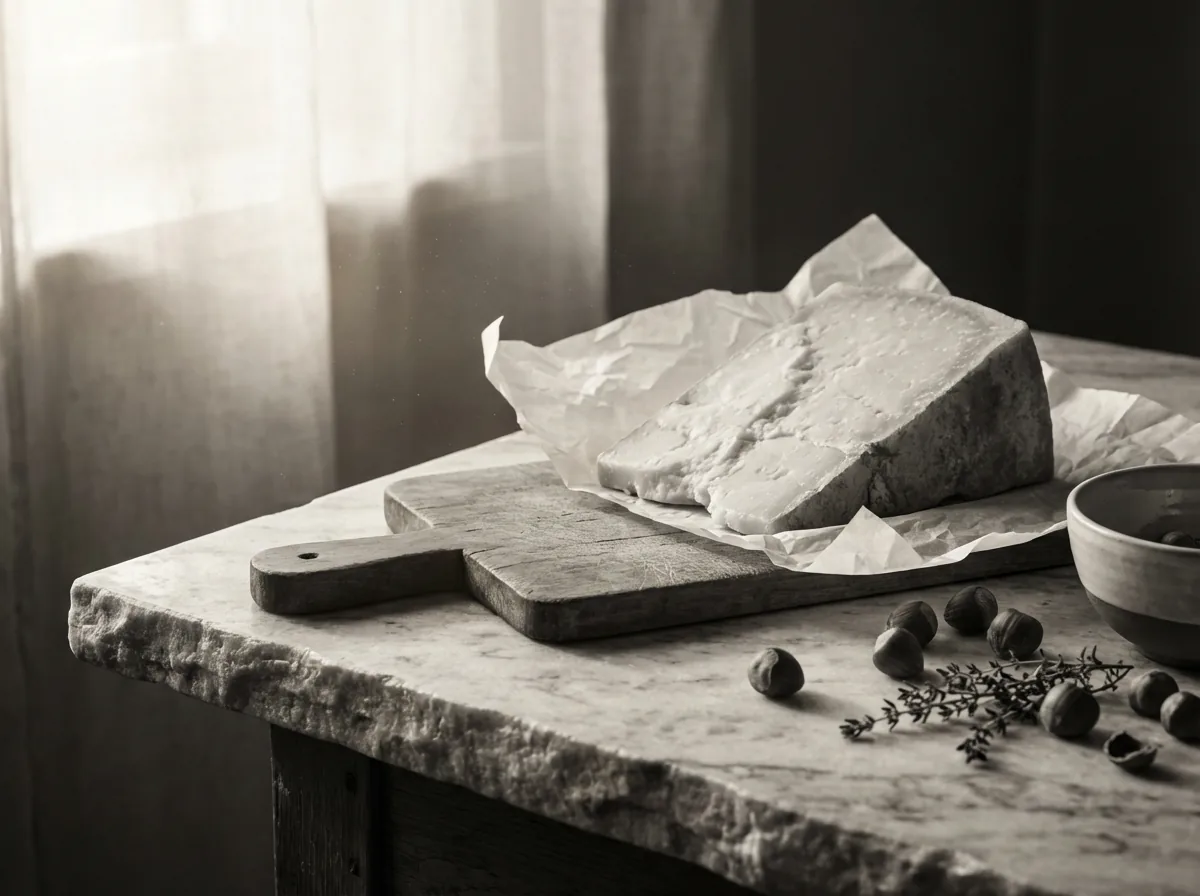
If you've ever tasted cheese straight from the fridge and thought it was fine but unremarkable, the cheese wasn't the problem. It was simply too cold to show you what it could do.
At Farmhouse Artisan Cheese, we talk about this often because it's one of the easiest upgrades you can make at home. No special equipment. No complicated technique. Just a little patience and one straightforward principle: serve cheese at the right temperature, and it will reward you with more aroma, better texture, and deeper flavour.
Why Temperature Changes Everything
Cheese is a living, crafted food. Temperature acts as the control that determines how loudly its flavours speak. When cheese warms from refrigerator cold to comfortable room temperature, three things happen.
- Aromas become expressive. Much of what we call taste is actually smell. Cold temperatures keep aromatic compounds quiet. Warming releases them: nutty, mushroomy, buttery, fruity notes that were there all along, just muted.
- Texture relaxes. Butterfat softens as it warms. A chilled cheese can feel firm or rubbery. The same cheese at room temperature becomes supple, silky, or luscious.
- Flavour becomes layered. Salt, acidity, sweetness, and savoury depth show up in a more balanced way when the cheese isn't numbed by cold. You taste the full spectrum instead of just the sharpest notes.
Think of it like butter. Cold butter is hard and shy. Soft butter is fragrant and generous. Cheese follows the same logic.
What "Room Temperature" Actually Means
Room temperature doesn't mean warm. It means not refrigerator-cold. For most cheeses, you're aiming for somewhere around 18 to 22 degrees Celsius — warm enough for aroma and texture to bloom, but not so warm that the cheese sweats or collapses.
The Simple Timeline
You don't need a thermometer. You need a rough sense of the cheese's style and a little patience.
- Fresh cheeses (chèvre, ricotta): 15 to 30 minutes. These are delicate and can slump quickly.
- Bloomy rinds (Brie-style, Camembert): 45 to 75 minutes. This is where the magic happens — the paste loosens, the aroma opens, the centre turns silky.
- Semi-firm to firm cheeses (Gouda, Comté, Cheddar): 45 to 90 minutes. These often taste surprisingly sweet and nutty once the chill is gone.
- Hard, aged cheeses (Parmigiano Reggiano, aged Alpine wheels): 60 to 120 minutes. They don't need to be soft — they need to be aromatic and not brittle-cold.
A helpful rule: the denser and more aged the cheese, the longer it can sit out.
A Simple Ritual That Works
When you're building a cheese board, try this sequence. Cut first, then rest — whole pieces warm slowly, and cutting increases surface area, which helps aroma and texture develop. Cover lightly with parchment or wax paper; you want the cheese protected, not sealed. Then taste twice: take a small bite when you first set it out, then taste again 30 minutes later. You'll notice how much it changes. Planning for a crowd? Our guide to how much cheese per person helps you buy the right amount.
The Alpine Connection
March is a perfect time to talk about temperature because Alpine-style cheeses are exactly the kind people most often eat too cold. Straight from the fridge, an Alpine wheel can taste merely pleasant. Let it warm up and suddenly you get roasted hazelnut, browned butter, sweet cream, and that savoury, stock-like depth the French call bouillon.
If you've been overlooking Alpine cheeses, the Temperature Rule is your invitation to pay attention.
Common Mistakes
- Leaving cheese out all afternoon. Aim for the sweet spot, not an endurance test. Most cheeses are happiest within one to two hours of serving.
- Serving straight from the fridge because guests arrived early. Put it out anyway. Cheese improves as people nibble.
- Thinking only soft cheeses need time. Firm cheeses often change the most dramatically — warmed aged cheeses can become aromatic, sweet, and almost caramel-like.
Temperature is not a detail. It's the key that unlocks the whole experience.
At Farmhouse Artisan Cheese in Oakville, Laure and Stéphane have a gentle way of turning "I just need something for tonight" into a small discovery. They'll ask a question or two, listen like they're solving a delicious mystery, and send you home with something that feels perfectly chosen.
Stop by the shop and ask for a "room temperature pick" and a simple serving tip. Whether you're hoping to discover your next favourite wedge, learn a quick pairing idea, or find a thoughtful gift, they'll make it easy — and delicious — to get it just right.
Here's your March challenge: pick one artisan cheese you already know, and one you've been ignoring — especially an Alpine-style wheel. Take them out early, taste them as they warm, and notice the moment they come alive.